
With the anticipation building ahead of the U.S. Open at Shinnecock Hills, Compass’s Luxury and Sports & Entertainment Divisions sat down with accomplished golfer and former PGA member turned Luxury Real Estate Advisor Michael Costello to understand what today’s golf enthusiasts and athlete clients are truly prioritizing and what those preferences signal for the future of ultra-luxury real estate.
When representing professional golfers or athlete buyers, what do you find sets their priorities apart from other luxury clients?
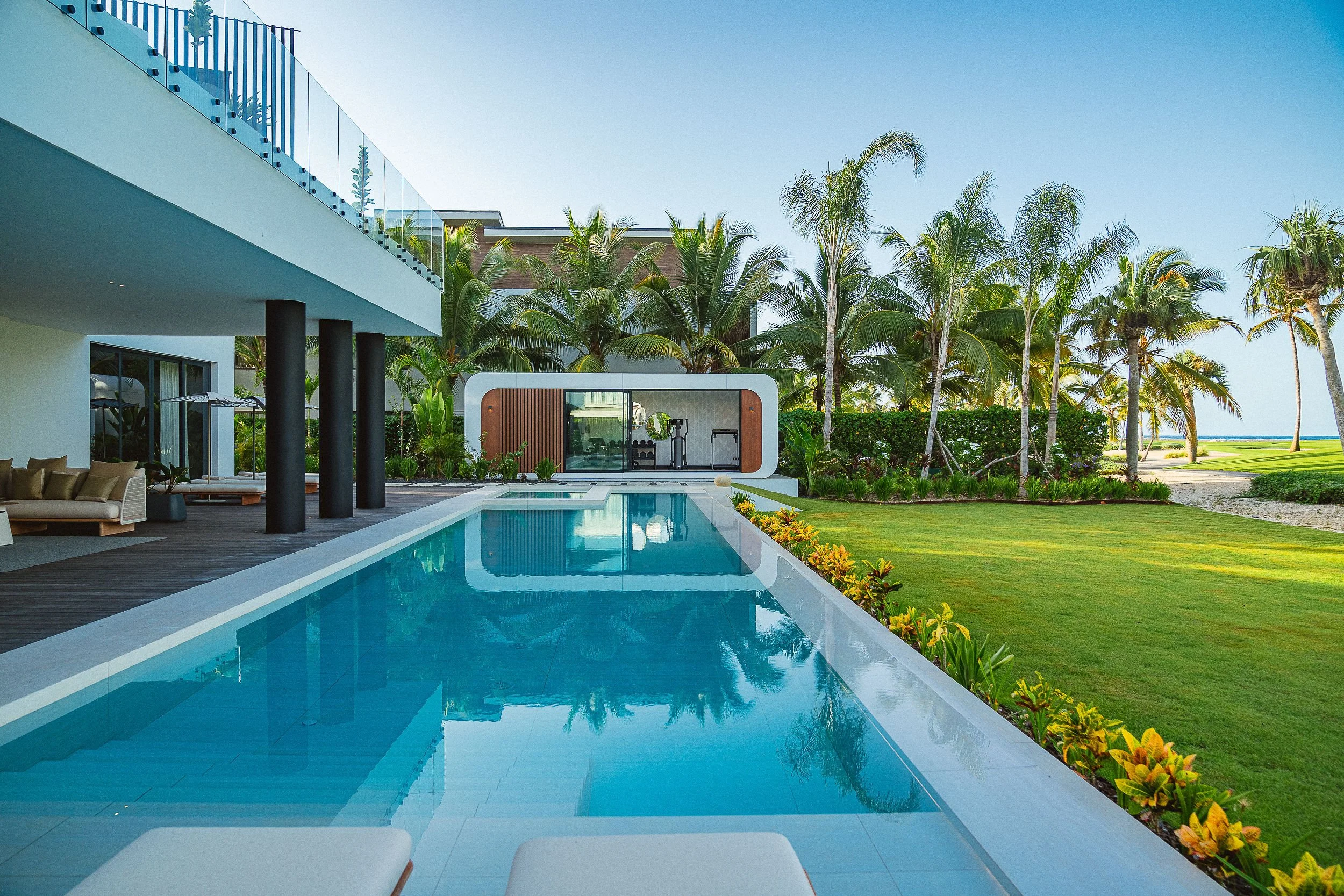
When representing professional athletes, the priority almost always shifts toward casual elegance, meaning properties that boast uncompromising luxury paired with an intentionally understated aesthetic. Privacy is paramount, driving demand for residences within exclusive, gated golf enclaves or premier waterfront parcels offering seamless proximity to the course. On a residential level, advanced health and wellness suites are non-negotiable. Beyond a standard home gym, these buyers expect dedicated recovery zones featuring custom saunas, cold plunges, massage rooms, and occasionally, private in-home salons.What are some trends you're seeing among golf enthusiasts when it comes to the properties they're seeking?
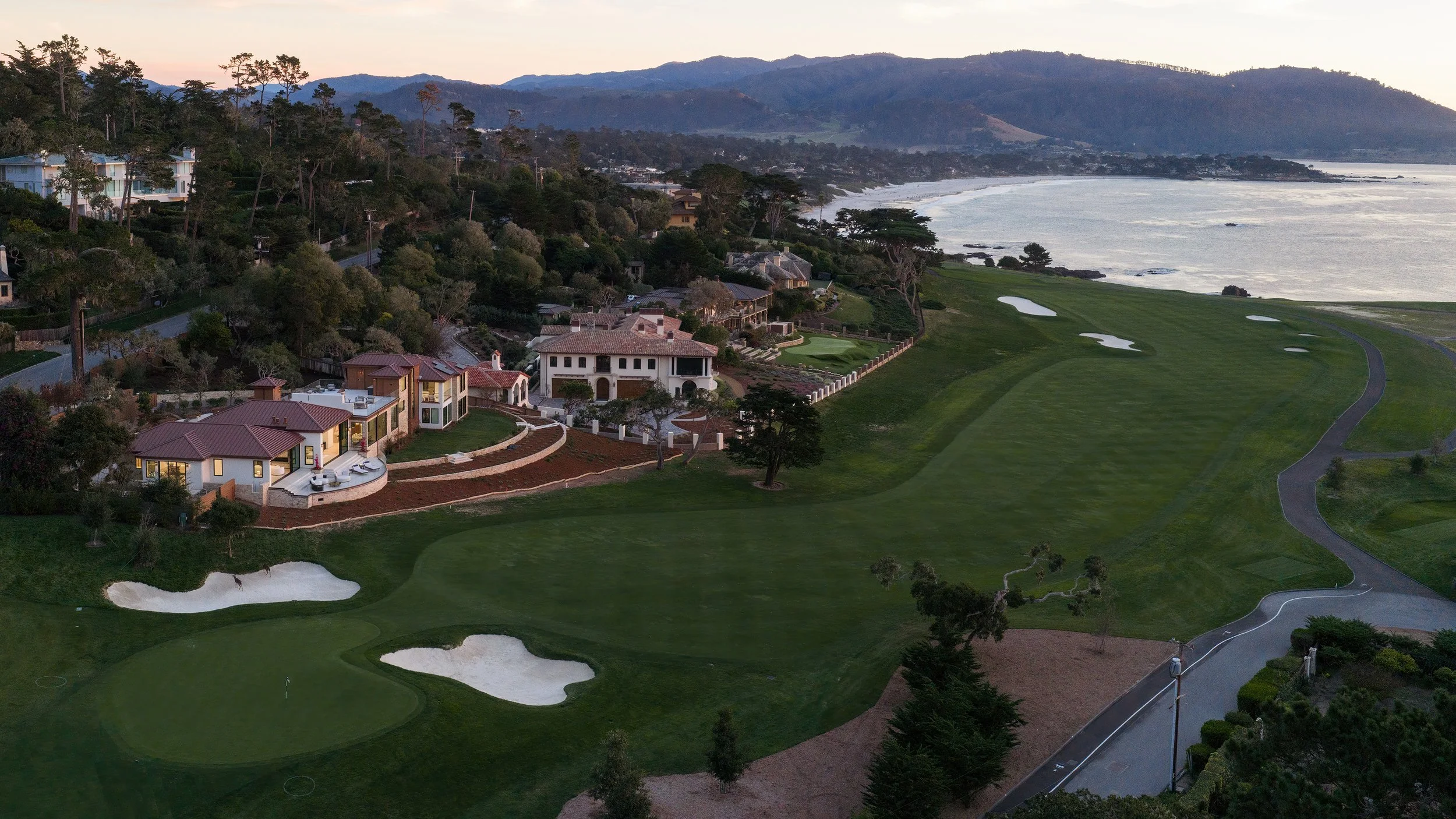
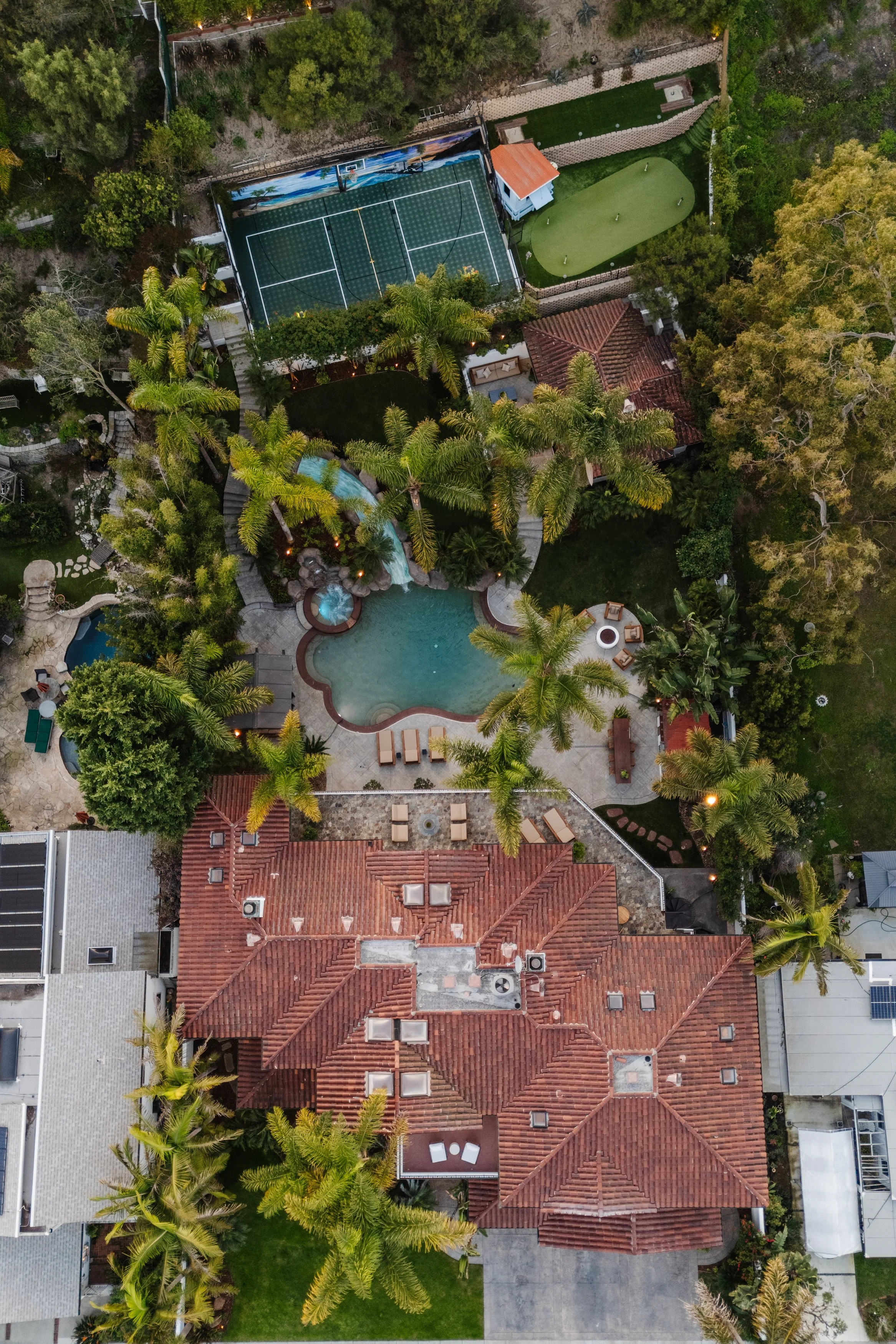
The single most critical factor is immediate proximity to the club, but the properties themselves are becoming extensions of the sport. Serious amateurs and touring professionals are requesting bespoke home training facilities—think state-of-the-art golf simulators, custom-molded putting greens, chipping complexes, and even residential bunkers. We are also seeing a rise in specialized estate architecture tailored to the lifestyle, such as dual 'his and hers' golf cart garages and dedicated, museum-quality galleries designed to house extensive collections of equipment and memorabilia.
What are some trends you're seeing among golf enthusiasts when it comes to the properties they're seeking?
The single most critical factor is immediate proximity to the club, but the properties themselves are becoming extensions of the sport. Serious amateurs and touring professionals are requesting bespoke home training facilities, including state-of-the-art golf simulators, custom-molded putting greens, chipping complexes, and even residential bunkers. We are also seeing a rise in specialized estate architecture tailored to the lifestyle, such as dual his and hers golf cart garages and dedicated, museum-quality galleries designed to house extensive collections of equipment and memorabilia.
What elements define a truly exceptional private golf course or putting green?
Palm Beach County is the undisputed epicenter for world-class golf, serving as the home base for legends like Tiger Woods, Jack Nicklaus, Rory McIlroy, Dustin Johnson, and Brooks Koepka, so the standard here is exceptionally high. Ultimately, pristine course conditioning is the truest metric of an elite club. Members closely track green speeds via the Stimpmeter; while a typical PGA Tour speed sits around 11 to 12, top-tier clubs pushing to 12 and beyond become major points of pride. Because the world’s best players are practicing daily in our backyard, clubs must provide impeccable, tour-quality turf on the driving ranges, premium sand in the hazards, and lightning-fast greens.
Where are golf-oriented buyers finding their ideal properties, and which markets are emerging as destinations for this lifestyle?
It truly depends on the lifestyle the buyer is seeking. While the old guard of Palm Beach elite enclaves, like The Bear’s Club, Jupiter Hills, Old Palm, and Admiral’s Cove, remains legendary, we are seeing a dramatic migration northward into Martin County. Michael Jordan pioneered this shift when he recognized the area's potential and built his ultra-exclusive Grove XXIII, named after his iconic jersey number and the property’s history as an orange grove.
Now, legendary developer Stephen Ross and Michael Pascucci of Sebonac Golf Club fame have introduced the world-renowned Apogee Club, a rare masterwork featuring three championship courses and unrivaled lifestyle amenities. Discovery Land Company is introducing Atlantic Fields, which many playfully deem an adult Disneyland, and Ken Bakst, famous for Friars Head, is developing The Ranch with a highly anticipated world-class real estate component. It is an extraordinary boom, though many of the ultra-wealthy still demand a presence right on the water in towns like Palm Beach, Jupiter, Jupiter Island, Palm Beach Gardens, and Manalapan.
How do you approach representing a property with world-class golf amenities, and what do you prioritize when presenting it to a discerning buyer?
Representing properties at this level requires an intimate understanding of a client's specific lifestyle and athletic nuances. No two buyers are alike, and knowing a client's exact handicap or playing style is incredibly advantageous. Every club has distinct strengths; some focus strictly on the game, while others are full-service enclaves offering everything from tennis and padel to state-of-the-art spas.
Having spent years as a golf professional, I have personally played nearly every private course in the region, as well as many of the Top 100 courses in the country. This background allows me to offer authentic, firsthand counsel. I often join clients for a round of golf because it provides an invaluable window into their style of play, allowing me to seamlessly match them with a club environment that complements both their game and their social preferences.
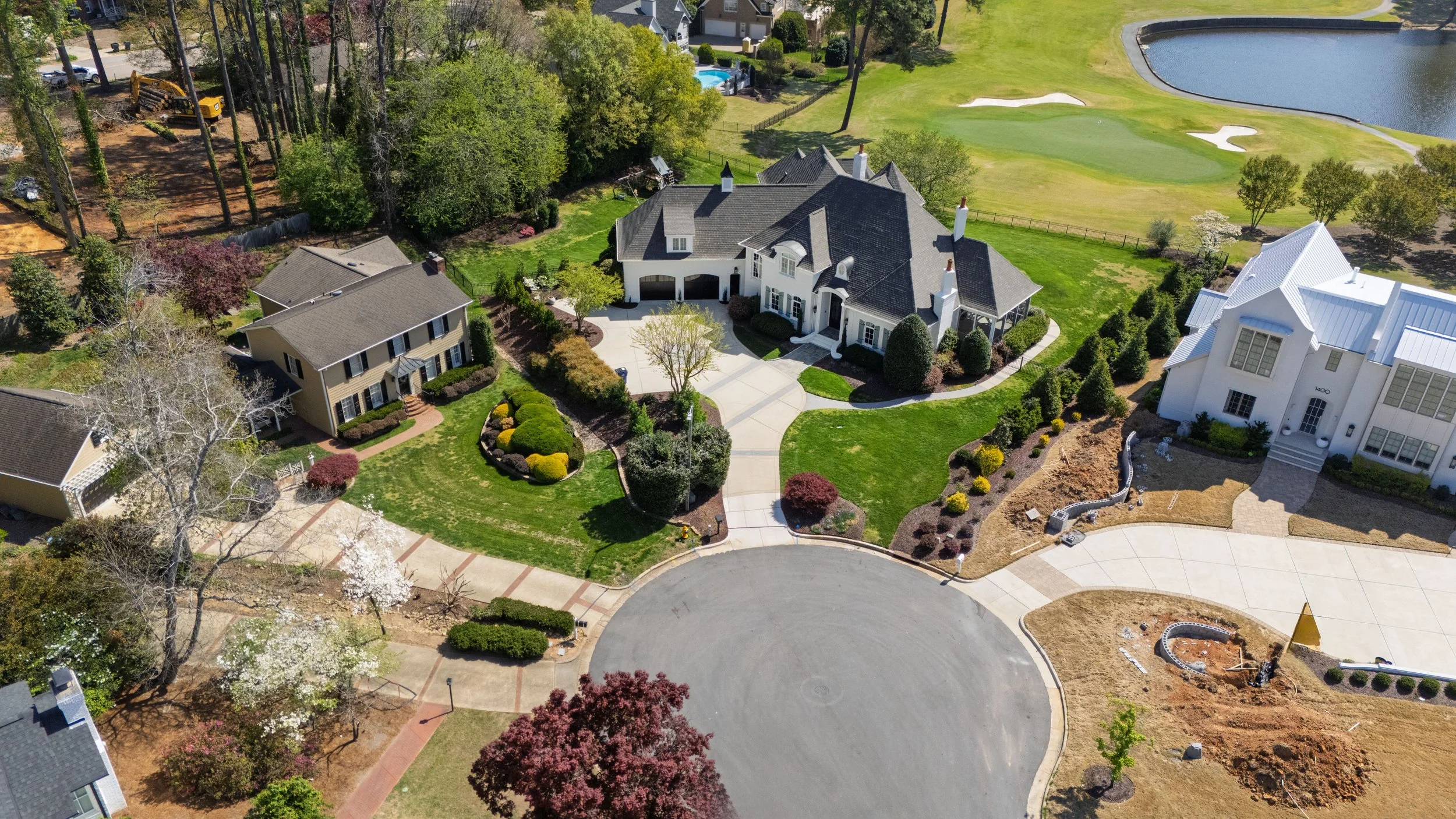
As golf experiences a cultural resurgence driven by a younger, lifestyle-oriented audience, how do you see demand for golf-integrated properties evolving?
Golf is experiencing a massive cultural resurgence, propelled by a younger, highly sophisticated audience that views the sport through a lifestyle lens. The days of developing a standard, predictable course alongside residential lots are over. Today’s buyers are incredibly discerning and they demand a vibrant, wellness-focused atmosphere. Developers have responded by significantly elevating their offerings. Elite fitness hubs, full-service world-class spas, and courts for tennis, pickleball, and padel are now standard expectations. Furthermore, culinary programming has evolved dramatically, as discerning members expect gourmet, health-conscious dining rather than standard turn-house fare.
Beyond the course itself, what complementary amenities and design elements are today's golf-oriented buyers prioritizing?
Beyond the primary 18 holes, the modern trend centers on expansive, high-concept practice landscapes. We are seeing magnificent 10-to-20-acre driving ranges, multi-faceted short-game areas, large putting courses, and short courses. For example, Apogee recently introduced a highly unique 12-hole par-4 course concept. Concurrently, clubs are deeply investing in advanced fitness and longevity architecture. There is a smart, holistic realization that by keeping members active, healthy, and playing longer, the community and the club thrive collectively for generations.
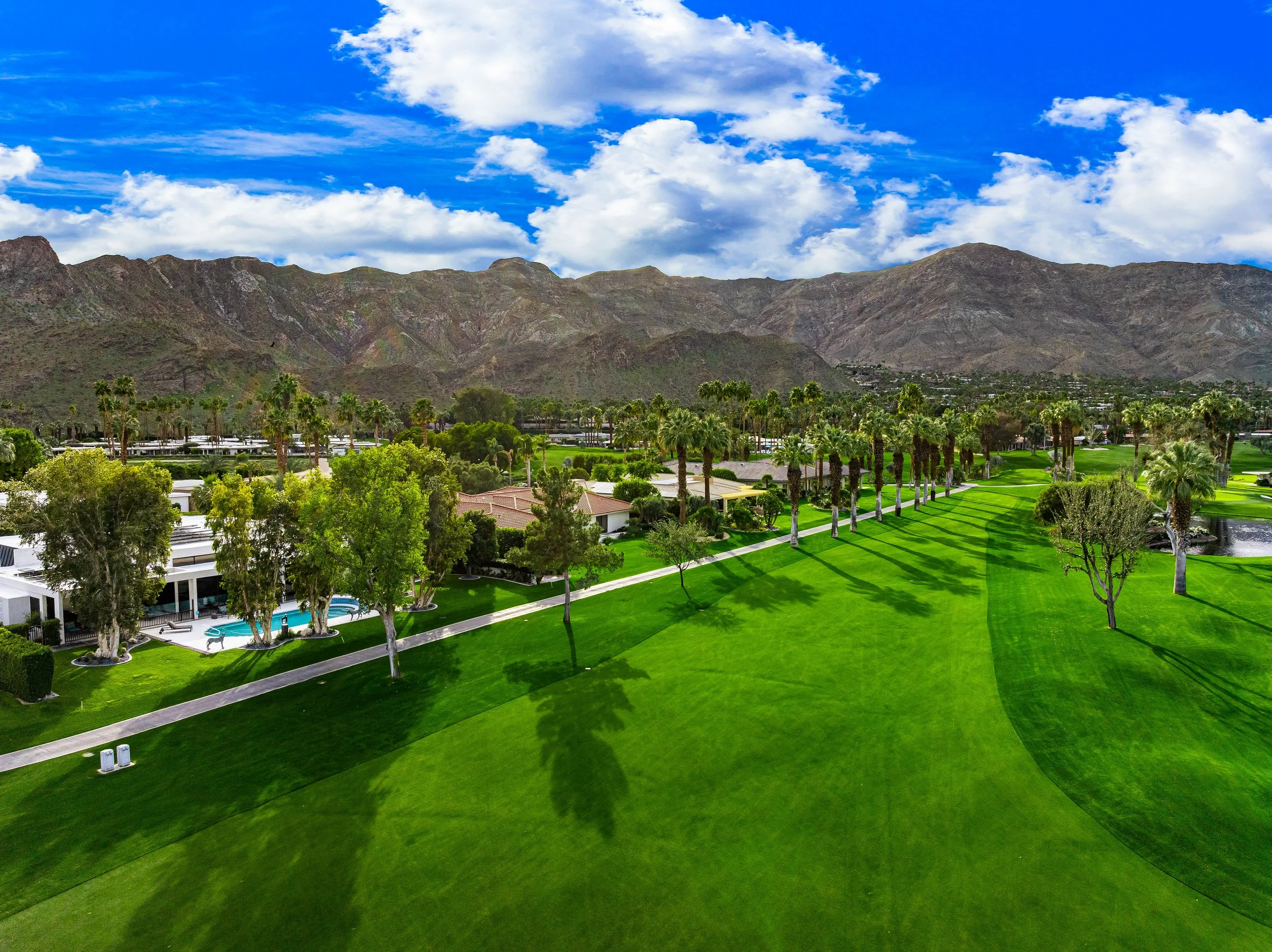
Are you seeing buyers relocate specifically for access to world-class golf communities, or is proximity to a course becoming a deciding factor in otherwise competitive markets?
We are absolutely seeing affluent buyers relocate entirely for access to these next-generation master-planned communities. Discovery Land Company’s Atlantic Fields in Hobe Sound is currently setting the benchmark for South Florida, with homesites starting at $8 million. It represents the ultimate fusion of sport and lifestyle, offering everything from championship golf to horseback riding, padel, tennis, a luxury spa, and even water skiing. After lifetimes of achievement, these buyers are looking to curate a lifestyle defined by active luxury, convenience, and a built-in social fabric where their peers and families are already gathering.