
Introducing Compass Resort: A New Approach to Luxury Second-Home Living
As luxury buyers increasingly view second homes as lifestyle anchors rather than occasional getaways, the markets they call home require a specialized approach. Introducing Compass Resort, a national network of Compass agents with deep expertise in sought-after resort and second-home destinations. In this Q&A, Compass Luxury sat down with the CeeJackTeam, Jordie Karlinski, and the Knox Brothers, all agents within this network, to uncover how local knowledge, collaboration and personalized service help them navigate the unique complexities of these markets and deliver a seamless experience for their clients, wherever their real estate journey takes them.
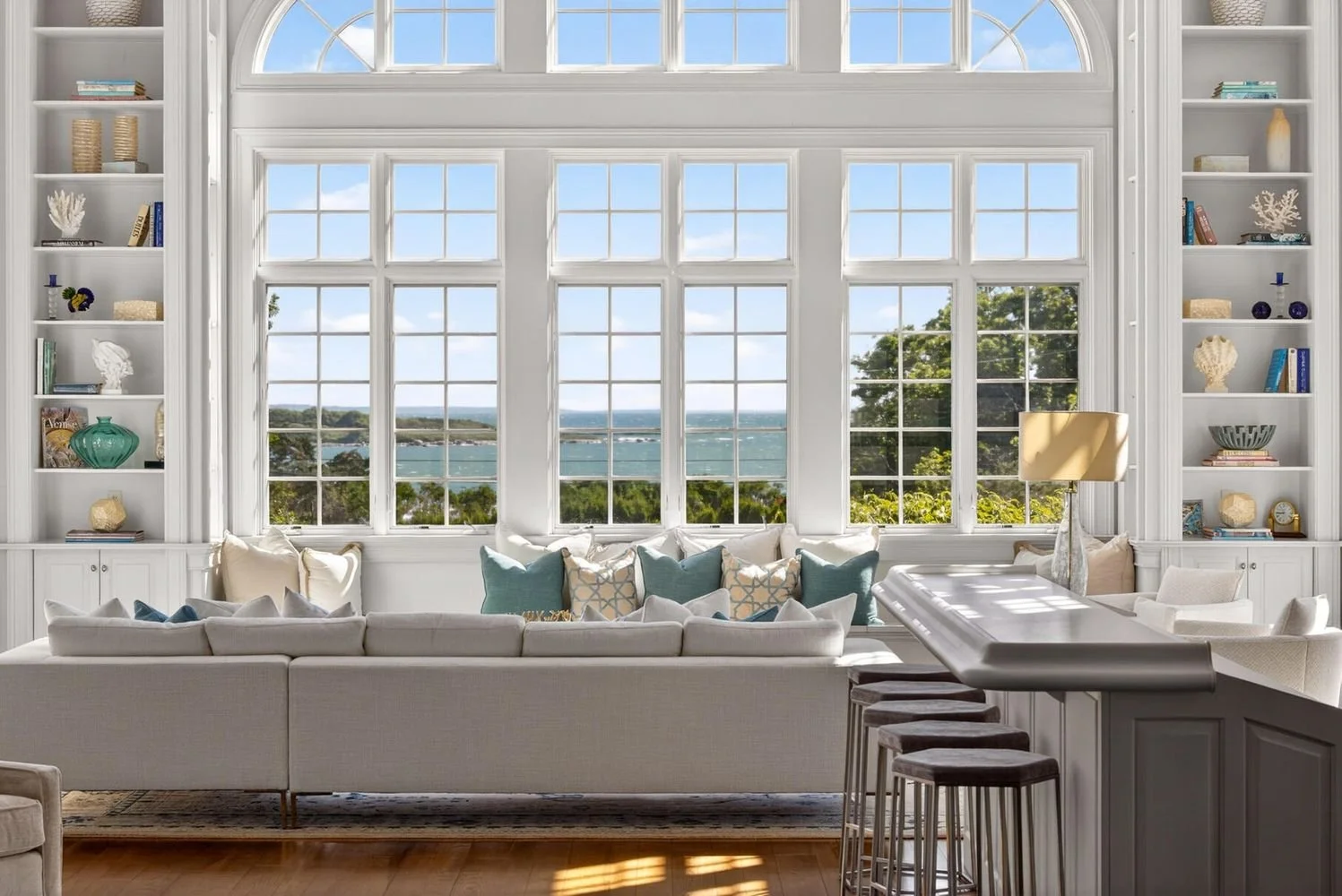
Second-home ownership has evolved from a vacation indulgence into an important part of the modern luxury lifestyle. What inspired the creation of Compass Resort, and what gap did you see in the market that the group was created to fill?
“For a lot of our clients, the second home isn’t a getaway anymore. They spend months there, work from there, and some eventually make it their primary residence. These homes matter more than they used to, but the markets they sit in operate completely differently than dense urban markets, and we felt that difference wasn't being talked about enough. Buying or selling in a place like Aspen, Jackson Hole, Naples, or the Hamptons comes with its own challenges, from rental restrictions and deed or transfer tax specifics to negotiating with buyers and sellers who don't need to buy or don't need to sell. Inventory is often geographically limited in these areas, which adds another layer of complexity. Add to that the fact that clients often aren't there full time, so part of the job is helping them understand seasonality and connecting them with the right contractors and vendors when they're not around to do it themselves. These transactions deserve an agent who understands that nuance and offers true white glove service.
That was the gap we saw. We wanted to highlight how unique and often complex these markets are, and connect buyers and sellers with agents who specialize in that world. Compass Resort brings together some of the strongest agents within Compass in their respective second home and resort markets across the country, and it's also a place where we learn from one another, since we're all facing similar challenges in our own markets. And because many of our clients own in more than one of these markets, when a Naples client starts looking in Aspen or the Hamptons, we can introduce them to someone we know and trust, who works that market the way we work ours.”
What makes buying or selling a second home fundamentally different from a traditional residential transaction?
“A traditional residential transaction is usually about a client's daily life, their commute, their schools, their neighborhood. A second home transaction is about a completely different set of priorities, and often a completely different level of complexity. Inventory tends to be geographically limited, whether it's the mountains, the coast, or lakefront, and depending on the town, restrictions can make it difficult to build much new inventory at all. Many of these markets have their own rental restrictions, deed or transfer tax specifics, and HOA or covenant nuances that a buyer or seller might not encounter anywhere else. Insurance has become its own negotiation, too. Flood and wind on the coast, wildfire in the mountains, and the cost or availability of coverage can shape a deal as much as the price does.
The mindset is different too. We often deal with clients who don't need to buy or don't need to sell. It's a lifestyle purchase, not a necessity, which changes the entire pace and psychology of a transaction. The buyer for a home in Naples or Aspen also usually doesn’t live there. They live in Chicago, New York, or Boston, so selling one means marketing to where the buyers are, not just where the house is. And because many of our clients aren’t there full time, our role extends well beyond the closing table.”
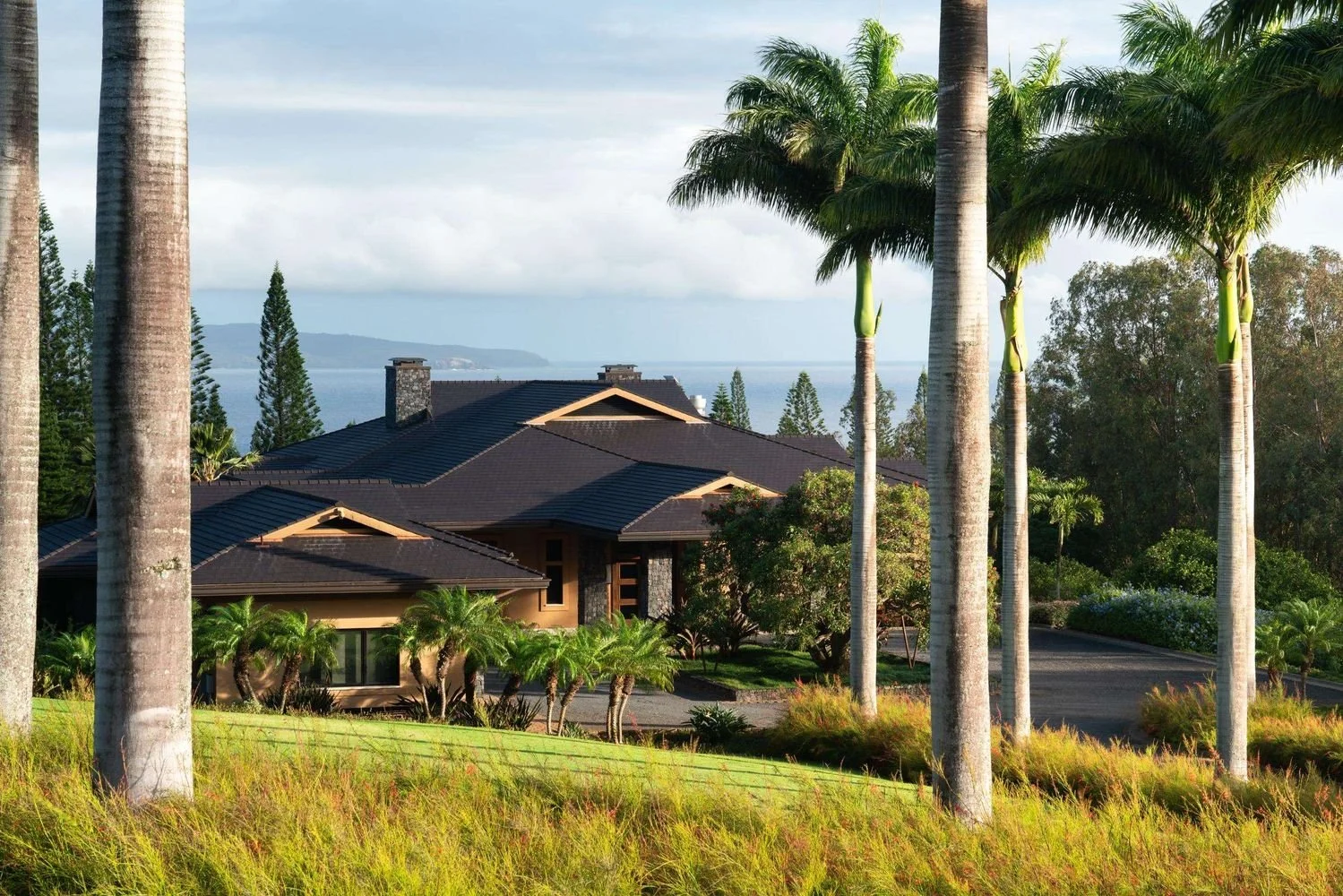
Compass Resort brings together specialists across some of the country's most sought-after second-home destinations. Why is deep local expertise so important when the buyer may be purchasing in a market far from their primary residence?
“When a buyer is purchasing somewhere they don't live day to day, they're relying almost entirely on their agent's judgment. They don't know which property is on the busy backroad street, which building has a special assessment coming, or which contractor actually shows up on time. Local expertise fills that gap. It's the difference between an agent who can pull comps and one who actually understands why one side of a valley or area commands a premium over the other, or how a short term rental restriction might affect long term value.
That local knowledge also protects clients from the specifics they wouldn't think to ask about, like transfer taxes unique to that neighborhood, rental or pet restrictions, water rights in a mountain town, or how seasonality affects showings and closings. It also means access. In many of these markets, the best homes change hands before they’re ever publicly listed, and knowing who is quietly thinking about selling only comes from being there year-round. Compass Resort exists so that no matter where a client is buying, they're working with someone who lives and breathes that market, not someone learning it alongside them.”
Luxury buyers increasingly view real estate as part of a broader lifestyle and wealth portfolio. How are you seeing clients think differently about second homes today, and what role can a resort property play in that portfolio?
“Our clients view second homes as "co-primary" lifestyle anchors rather than occasional getaway spots. A resort property acts as both a hedge against market volatility and a multi-generational legacy asset that enhances daily living.”
“In Naples, the second home is often the first step toward a move. A client buys a place to spend the winter, a few years later they’re here six months of the year, and then they file for homestead and Naples becomes home. Florida has no state income tax, so for a lot of our clients the purchase is as much a residency decision as a lifestyle one, and we talk about it that way from the first conversation. The portfolio thinking shows up in how the home is held, too. At the top of our market, many homes are bought through a trust or LLC, for privacy and to make it simpler to pass the home to the next generation. That means bringing their attorney and wealth advisor in early, not at the closing table. The scarcity is real. There’s only so much Gulf-front and bay-front land in Naples, and very little new supply. But the clients who do best treat the home as a place first and an asset second.”
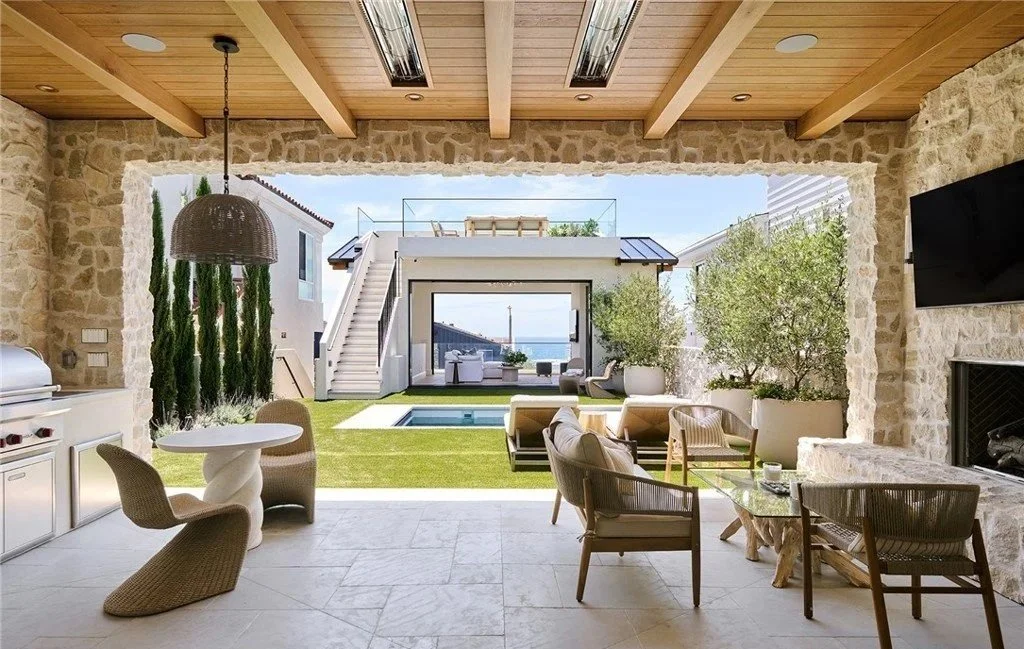
From ski-in/ski-out mountain retreats and coastal estates to golf communities, lakefront properties and expansive ranches, what are you seeing emerge as the most compelling luxury second-home destinations and property types right now?
“Here in the Hamptons, we are seeing massive demand for move-in-ready homes that offer total privacy, from turnkey waterfront compounds to sprawling estates with multiple dwellings and effortless access to resort-style amenities.”
“In Naples, the most compelling thing a home can offer right now is elevation. After the storms of the last few years, buyers want new construction built to current flood codes. In neighborhoods like Port Royal, Aqualane Shores and Olde Naples, an older home on a great lot is often bought for the land. The lot is the asset, and the house gets rebuilt. The other shift is toward lock-and-leave. The residences at the Four Seasons and the Ritz-Carlton have changed what a second-home owner expects: hotel-level service when they’re here, and someone looking after the home when they’re not. For clients who split the year between Naples and somewhere else, that often matters more than square footage. Golf communities are still a strong draw, especially for families who come for the season and want the club to be their social life from day one.”
Privacy, personalization and seamless service are hallmarks of the luxury experience. How does Compass Resort bring that same level of discretion and white-glove service to the second-home journey?
“Compass Resort provides direct access to pre-vetted insider agents in second home markets, and access to their off-market listings, ensuring complete privacy for high-profile clients. We manage every detail - from discreet legal structures to seamless remote walkthroughs - so the transaction is frictionless from start to finish.”
“For us, discretion is mostly about what doesn’t happen. The home isn’t shown to buyers who aren’t qualified, and a seller’s plans don’t become conversation at the club before they’re ready. Personalization is knowing a client’s year: when they arrive, when they leave, and who should be looking after the home in between. The best service in a second-home market is the kind the client never has to ask for.”
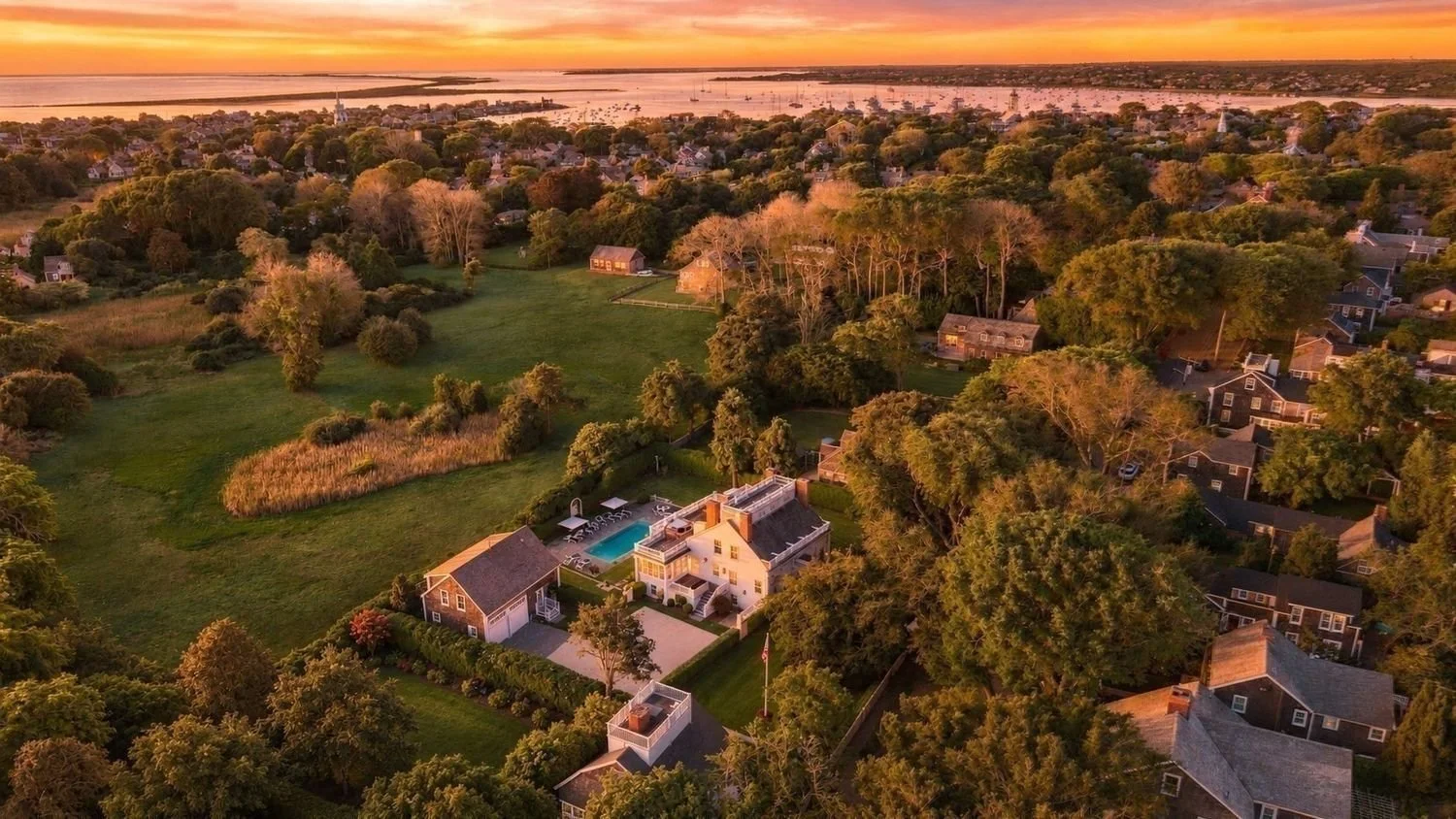
Compass Resort is built around collaboration among specialists in different markets. How does that national network benefit a luxury client who may be buying, selling or exploring opportunities in multiple destinations?
“Collaboration is key at Compass! It allows us to serve as our clients' single trusted advisor across all of their real estate ventures nationwide. Whether a client is buying in Aspen, Miami, or right here on the East End, we immediately connect them with top-tier local specialists using identical high standards of service.”
“The real benefit is that the client doesn’t have to start over. When one of our Naples clients starts looking in Aspen, the agent there already knows how they like to work and what matters to them. And when a client is selling in one market to buy in another, both sides of the move are timed by two agents who already talk to each other.”
For a Compass agent whose luxury client is considering a second home outside their local market, when should they think about bringing a Compass Resort specialist into the conversation?
“Bring us into the conversation early during the initial planning phase, well before active browsing begins. Doing so gives your client immediate access to off-market inventory and hyper-local guidance on pricing trends and regulations before they commit to a second home market.”
“The moment a client mentions a place more than once. The usual sign is a seasonal rental. If they’re renting in Naples for the winter, they’re already shopping, even if they haven’t said so. Bring us in then, while their opinions are still forming. The client relationship stays yours. Our job is to make you look good in a market where you don’t work every day.”