
True luxury extends beyond beautiful finishes. At 33 Joralemon Street, thoughtful conveniences, exceptional comfort, and forward-thinking sustainability redefine the everyday experience of living in a Brooklyn townhouse. Compass Luxury sat down with the lead listing agent of this exceptional Certified Passive House, Callie Katt, to explore how thoughtful design, innovative building practices, and the timeless character of the neighborhood come together to redefine modern luxury living.
33 Joralemon Street is Certified Passive House, a distinction rarely associated with luxury townhouses in New York City. What does this certification mean, and why was it important to incorporate these principles into the design?
Passive House is one of the most rigorous standards for building performance, focused on creating homes that are exceptionally energy efficient, comfortable, and healthy to live in. What I find particularly compelling about 33 Joralemon is that the development team didn't treat sustainability as an added feature. It was fundamental to how they designed and built the house from the beginning.
Brooklyn has some of the most beautiful historic housing in the country, but anyone who has lived in an older brownstone knows that beauty often comes with compromises. Drafty windows and doors, uneven temperatures, poor insulation, and aging mechanical systems are all fairly common. With 33 Joralemon, the goal was to preserve the architectural character and proportions people love about Brooklyn townhouses while eliminating many of those compromises.
Certified Passive House principles are often associated with energy efficiency, but they can also transform the everyday experience of living in a home. How do features like triple-glazed windows, continuous insulation, and filtered fresh-air ventilation contribute to comfort, quiet, and indoor air quality?
I think this is where Passive House construction becomes especially exciting, because the benefits go so far beyond saving energy. The triple-glazed windows and continuous insulation create an incredibly quiet interior, which is a real luxury in New York City. They also help maintain a remarkably consistent temperature throughout the house, without the hot and cold spots that are so common in older townhouses.
The ventilation system continuously brings in filtered fresh air while recovering energy from the outgoing air, so you're not relying on opening windows to maintain air circulation. What homeowners will notice is that the house feels quieter, the air feels fresher, and the temperature is consistently comfortable. It's the kind of luxury that isn't necessarily obvious in a photograph, but that you appreciate every single day.
How do the technical requirements of Passive House construction remain balanced with the architectural beauty, material quality, and craftsmanship expected of a luxury townhouse?
I think the beauty of this project is that the homeowner doesn't have to make that trade-off. The Passive House elements are largely invisible, working behind the walls and within the building envelope, while the architecture and interiors are every bit as elevated as you would expect in a luxury townhouse.
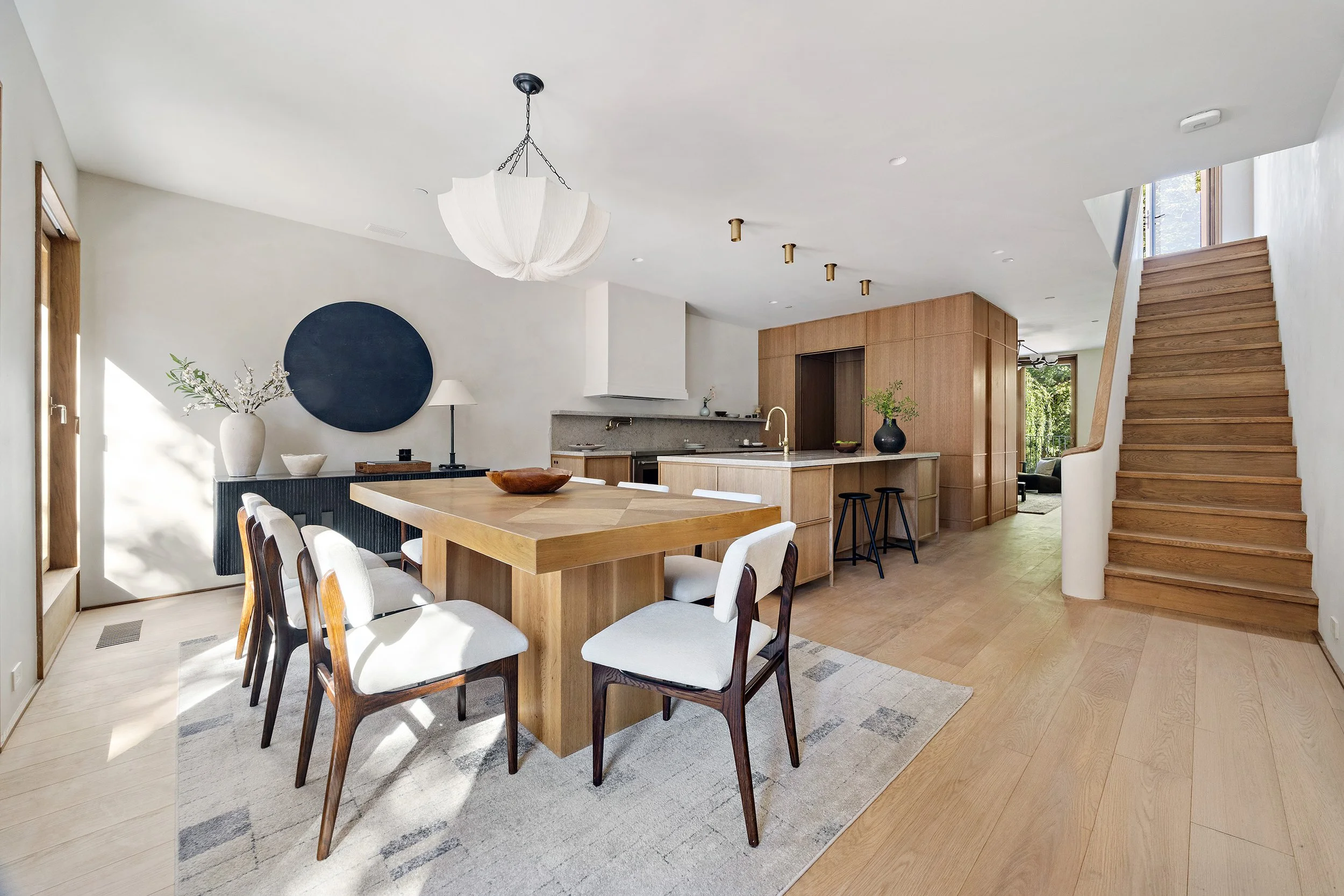
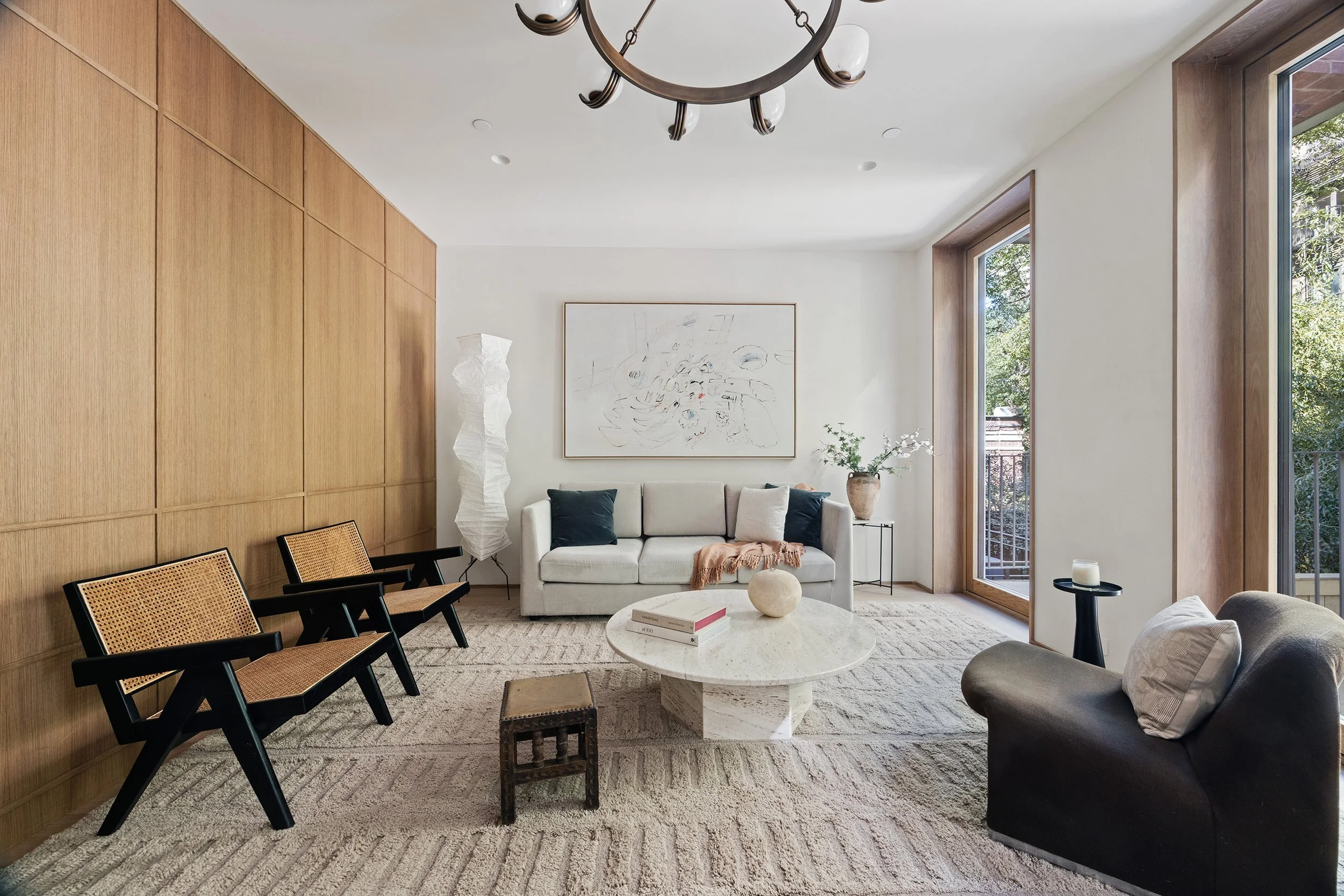
You have beautiful Madera wood floors, custom millwork, natural stone, Waterworks fixtures, and an exceptional level of attention to detail throughout. There's a real warmth to the interiors, and nothing about the home feels overly technical or utilitarian.
To me, that's where luxury residential development is heading. It's no longer just about beautiful finishes and impressive spaces. It's about how well a home actually functions and how good it feels to live in.
Having grown up in Brooklyn brownstones and currently living in them today, how has the development team’s personal experience of Brooklyn living influenced the way they designed this home?
One of the things that makes this project special is the development team's deep personal connection to Brooklyn Heights and firsthand understanding of what makes traditional brownstone living so desirable.
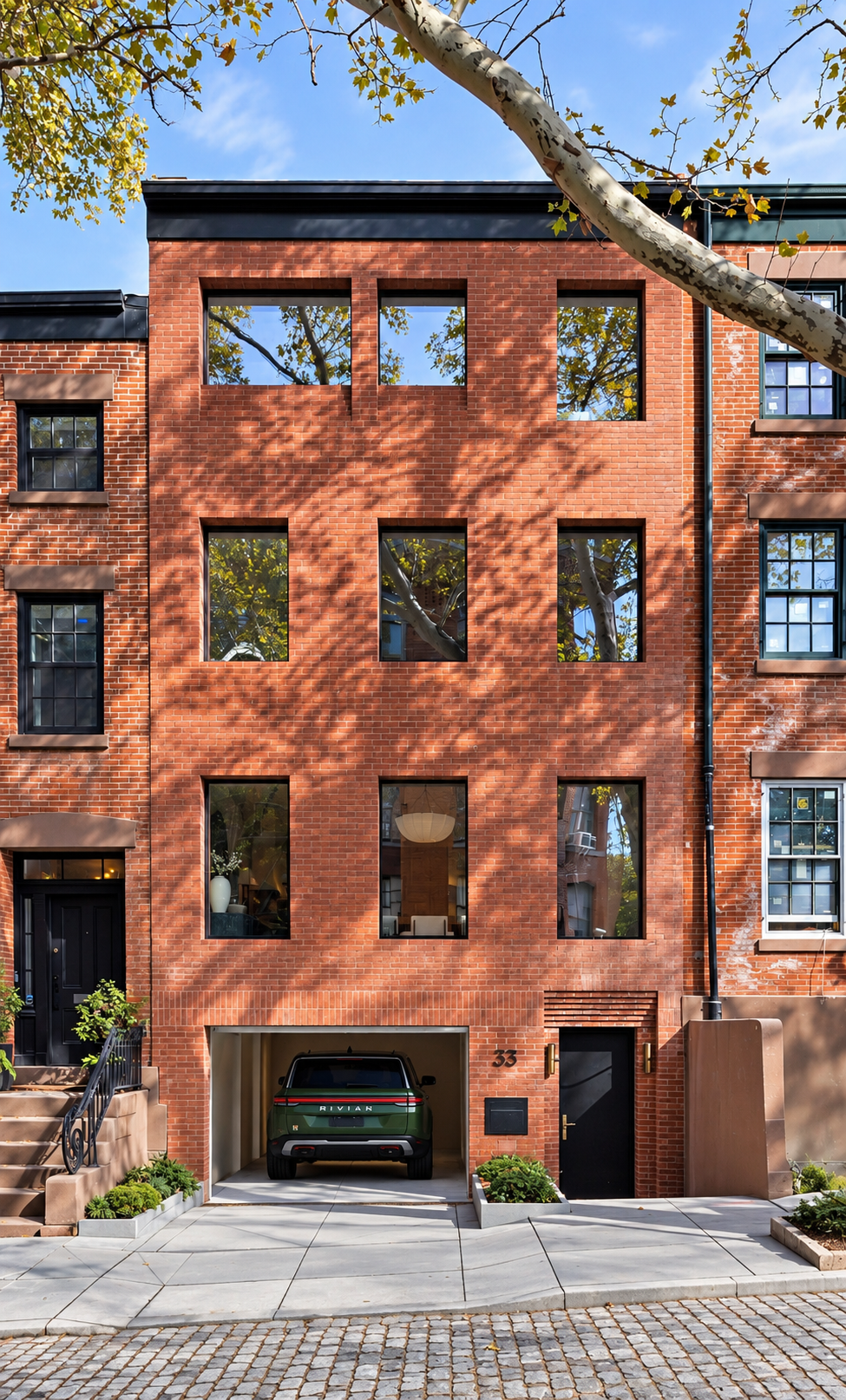
Brooklyn Heights was New York City's first designated historic district, and it's also the neighborhood where developer Jon Schippers grew up. Having walked this block his entire life, Jon understood the responsibility of introducing a new building into such a remarkably preserved row of Greek Revival homes. The team studied the possibilities carefully and consulted with members of the community, including Otis Pearsall, who helped lead the effort to establish the historic district in 1965. The goal was to create something distinctly contemporary that still felt at home within the neighborhood's historic fabric.
That same philosophy extended to the interior of the home. The team wanted to preserve everything people love about traditional Brooklyn townhouses, from their generous entertaining spaces and multiple levels to their connection to the outdoors, while addressing the shortcomings of older homes through modern mechanical systems, thoughtful layouts, and everyday conveniences.
Ultimately, the best architecture feels like it belongs where it's built. From its contemporary facade that respects the historic streetscape to its Passive House certification, 33 Joralemon is a reflection of both the neighborhood's architectural heritage and the way people want to live today.
From the private curb-cut garage with EV charging and secure package delivery to the snow-melt system, the home incorporates conveniences that address the realities of city living. Which details do you think will make the greatest difference in a homeowner's daily life?
The private garage is certainly one of the biggest. Having a dedicated curb cut and the ability to pull directly into your own home, particularly in Brooklyn Heights, is incredibly rare. Add EV charging, and it becomes even more practical.
But I think it's the accumulation of thoughtful details that really sets the house apart. The snow-melt system means you're not shoveling the sidewalk or garage entrance after a storm. The secure package delivery area addresses something every New Yorker deals with. There are two laundry rooms, thoughtfully integrated smart-home technology, and spaces that accommodate everything from working at home to entertaining.
Individually, some of these features might seem small, but collectively they remove so many of the everyday inconveniences of city living. And I think that's one of the ultimate expressions of luxury: a home that makes your life easier.
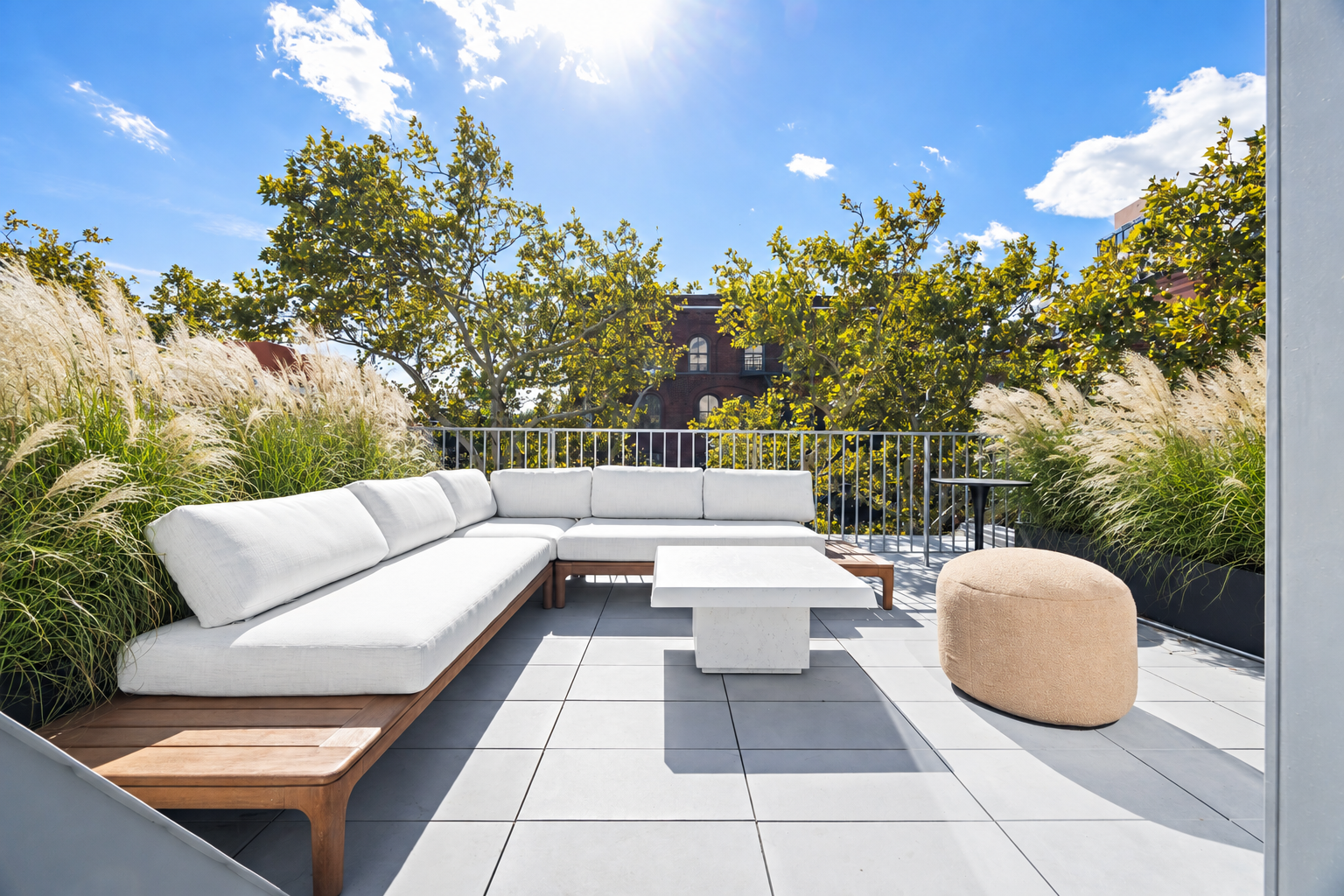
The home offers expansive indoor-outdoor living, including a roof deck with sweeping views of Manhattan and New York Harbor. How was the relationship between the home's interiors, outdoor spaces, and its Brooklyn Heights setting approached?
One of the great things about townhouse living is the opportunity to have meaningful outdoor space in the middle of the city, and 33 Joralemon really takes advantage of that across several levels.
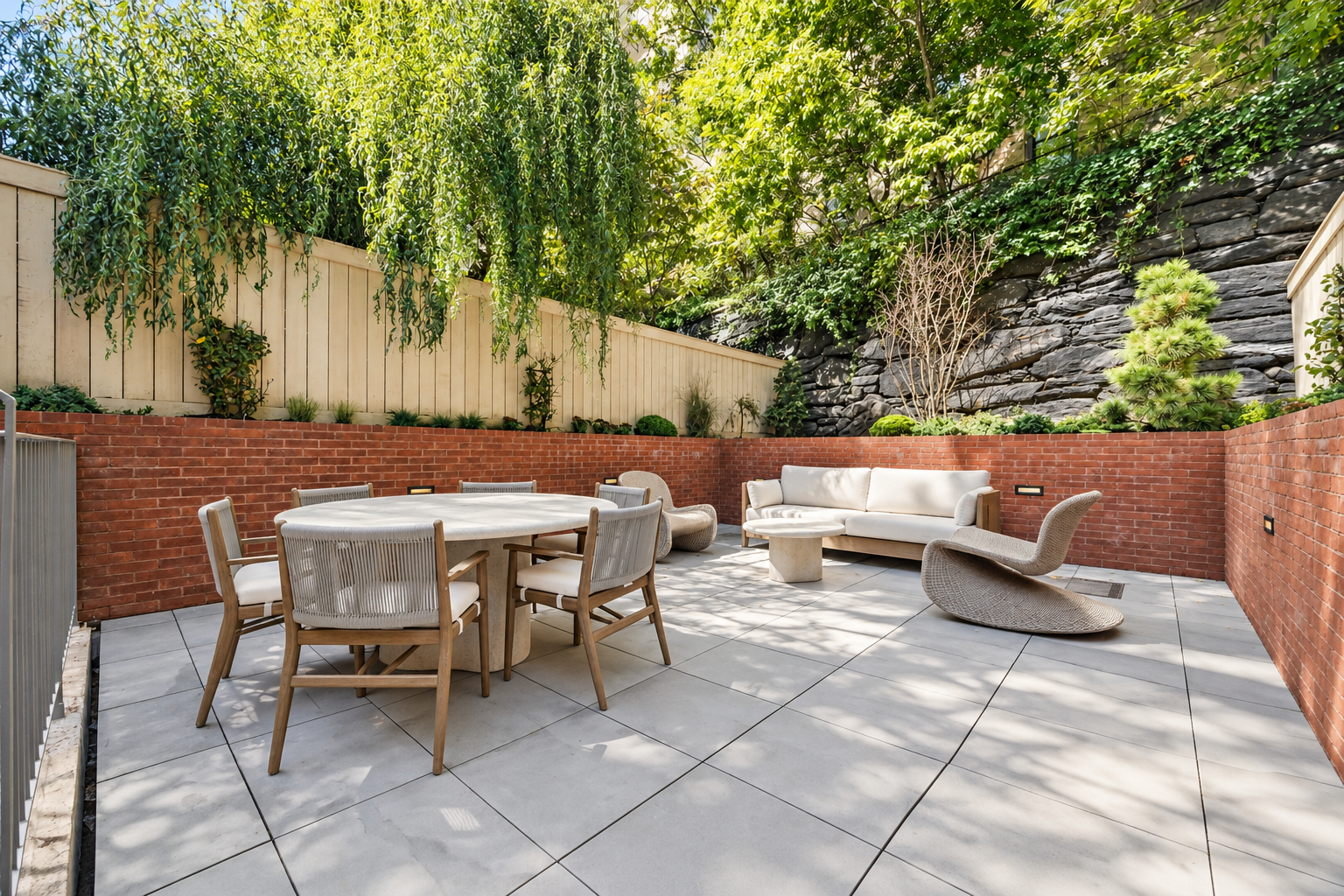
The garden level opens to a private outdoor space that feels like a natural extension of the home. There's also a terrace off the primary suite, and then the roof deck offers this entirely different experience, with sweeping views of Manhattan and New York Harbor.
What I especially love is the contrast between the intimacy of the private garden and the openness of the rooftop. You have these beautiful, quiet spaces to retreat to, but you're also incredibly connected to the city and to everything that makes Brooklyn Heights such a special neighborhood.
Buildings have a significant environmental footprint. What role do you believe high-performance residential construction can play in reducing that impact, particularly in a dense urban environment like New York City?
Buildings account for a significant portion of New York City's energy consumption and carbon emissions, so I think high-performance residential construction has a very important role to play.
What's exciting about Passive House is that it addresses energy demand at the source. Rather than simply installing more efficient equipment, you're designing a building that requires far less energy to heat and cool in the first place.
And I believe projects like 33 Joralemon help demonstrate that sustainability and luxury aren't competing priorities. In fact, many of the things that make a home more environmentally responsible also make it more comfortable, quieter, and more enjoyable to live in. I think we're going to see buyers increasingly recognize those benefits and expect them in new luxury construction.
When someone walks through the front door of 33 Joralemon Street for the first time, what do you hope they notice, experience, or understand about the home that they might not expect?
I hope the first thing they notice is how beautiful and thoughtfully designed the house is, but what I really want them to appreciate is how different it feels.
There's an incredible sense of calm inside. The house is remarkably quiet, the temperature is comfortable throughout, and there's a quality to the air and overall environment that's difficult to communicate until you experience it in person.
I think there's sometimes an assumption that a high-performance home is going to feel very modern or technical, but 33 Joralemon is warm, inviting, and very much rooted in the tradition of Brooklyn townhouse living.
Ultimately, I hope buyers walk away realizing that luxury isn't just what you can see. It's also what you can feel, and in this house, that distinction is really meaningful.